Meaningful engagement is essential for residents living with dementia, helping preserve dignity, reduce behavioral symptoms, improve mood, and enhance overall quality of life. Research shows that personalized, activity-based interventions can decrease agitation by up to 60%, reduce antipsychotic use, and increase resident well-being and social interaction (Livingston et al. 2014; van der Ploeg et al. 2013). At Circle of Life Alzheimer’s Homes in Prescott, Arizona, our small, home-like setting allows for truly individualized, relationship-centered care that keeps residents active, connected, and content.
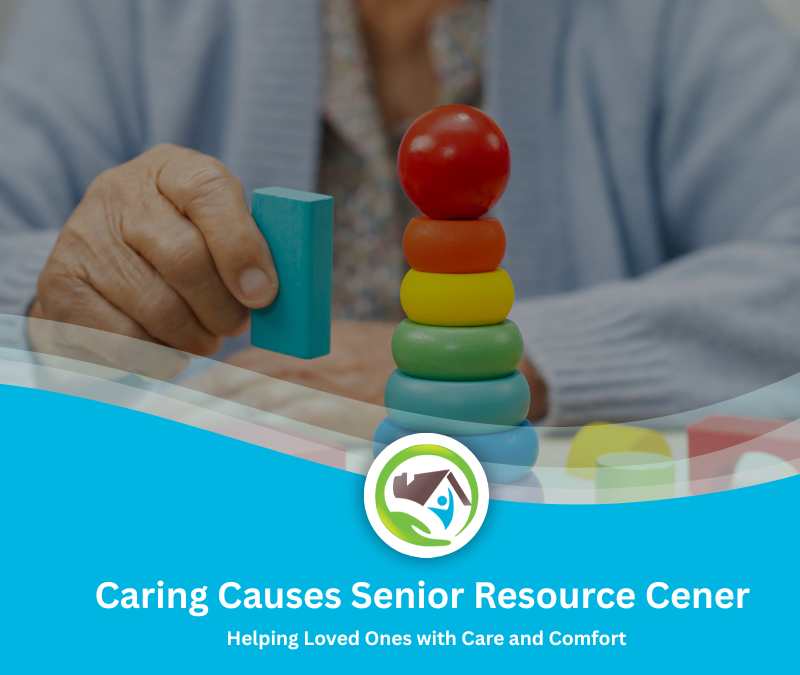
Personalized Activities – Honoring Lifelong Interests Every person with dementia brings a unique history. We start with thorough life-story assessments to identify past hobbies, professions, roles, and preferences. Activities are then tailored accordingly: a former gardener may tend raised beds or arrange flowers; a lifelong musician might play simple instruments or lead rhythm circles; someone who enjoyed puzzles receives age-appropriate brain games or sorting tasks. This person-centered approach reinforces identity, provides purpose, fosters a sense of accomplishment, and often reduces feelings of frustration or boredom. Studies confirm that matching activities to personal history significantly improves engagement and emotional well-being (Cohen-Mansfield et al. 2010).
Music Therapy – Unlocking Memories and Joy Music reaches parts of the brain that remain relatively intact even in advanced dementia. Familiar songs from a resident’s youth can evoke memories, spark conversation, reduce anxiety, and decrease agitation—sometimes dramatically. At Circle of Life, we incorporate individualized music sessions: private listening with headphones to favorite artists, group sing-alongs, live performances by local musicians, and movement to rhythm. Evidence from randomized trials shows music therapy lowers agitation, improves mood, and enhances social engagement, with effects often lasting beyond the session (van der Linden 1996; Sung et al. 2012).
Sensory Stimulation – Gentle, Multi-Sensory Experiences As cognitive abilities change, sensory input becomes a powerful way to connect. We offer calming and stimulating sensory activities tailored to each resident’s preferences and tolerance: aromatherapy with lavender or citrus essential oils, textured fabric books or fidget quilts, hand massage with scented lotion, nature sounds, weighted blankets, or visual stimulation through light projectors and colorful mobiles. These low-demand activities reduce anxiety, promote relaxation, and can decrease restlessness or sundowning behaviors. Multisensory environments (Snoezelen-style) have been shown to improve mood and decrease challenging behaviors in dementia care settings (Sánchez et al. 2013).
Reminiscence Therapy – Validating Life Stories Reminiscence helps residents reconnect with their past, affirm their life’s value, and foster social bonds. We facilitate gentle, structured reminiscence using photo albums, old yearbooks, familiar objects from their era (vintage radios, rotary phones, recipe cards), biographical timelines, and group storytelling sessions. This validates experiences, stimulates long-term memory recall, encourages conversation, and builds relationships among residents and staff. Systematic reviews indicate reminiscence therapy improves quality of life, self-esteem, and mood, while reducing depressive symptoms in people with dementia (Woods et al. 2018).
At Circle of Life Alzheimer’s Homes in Prescott, Arizona, engagement is woven into daily life through warm relationships, flexible routines, and a nurturing home environment. Our small-scale residences enable consistent, responsive care that adapts to each resident’s changing needs and preferences. These thoughtful strategies help residents feel seen, valued, and joyful—creating moments of connection that matter.
Contact Circle of Life Alzheimer’s Homes in Prescott today to learn how our personalized, engaging care can support your loved one.
References Cohen-Mansfield, Jiska, et al. 2010. “The Impact of Past and Present Preferences on Engagement in Activities in Dementia.” The Gerontologist 50 (5): 636–647. Livingston, Gill, et al. 2014. “Non-Pharmacological Interventions for Agitation in Dementia: Systematic Review of Randomised Controlled Trials.” British Journal of Psychiatry 205 (6): 436–442. Sánchez, Alba, et al. 2013. “Multisensory Stimulation as an Intervention for People with Dementia: A Systematic Review.” Aging & Mental Health 17 (3): 287–296. Sung, Huei-chuan, et al. 2012. “A Group Music Intervention Using Percussion Instruments with Familiar Music to Reduce Anxiety and Agitation of Institutionalized Older Adults with Dementia.” International Journal of Geriatric Psychiatry 27 (6): 621–627. van der Linden, Martial. 1996. “The Effects of Music Therapy on Agitation in Dementia.” Journal of Music Therapy 33 (3): 175–188. van der Ploeg, Eva S., et al. 2013. “The Effect of Personalized Activities on Engagement in Persons with Dementia.” Aging & Mental Health 17 (4): 428–435. Woods, Bob, et al. 2018. “Reminiscence Therapy for Dementia.” Cochrane Database of Systematic Reviews 3: CD001120.